Tooth extractions in Newark, and what happens next
Simple and surgical extractions carried out here, with IV sedation available if you need it. We will also tell you honestly whether the tooth could be saved, and what the gap will mean if it cannot.

We check whether it can be saved first
Extraction is the last option, not the quick one. Two of our dentists hold postgraduate endodontic qualifications, so teeth that can be saved often are.
Simple and surgical extractions here
Straightforward and more complex extractions are both carried out at the practice, with suitability assessed beforehand.
IV sedation available in-house
Provided here by our own sedation dentist, with your usual dentist still carrying out the extraction.
You get proper written aftercare
What to do in the first 24 hours decides how comfortably you heal. You will not be sent home guessing.
The gap is planned, not ignored
We will talk through replacing the tooth before it comes out, because that decision is easier made in advance.
Most people who ask us about an extraction would rather keep the tooth, and so would we. Sometimes that is not possible, and the kindest thing is to take it out cleanly.
We explain when a tooth cannot be saved, what happens on the day and what to do afterwards. We also cover what to do about the gap.

Nobody wants to lose a tooth, and we would rather you did not
Most people arrive at this page because somebody has told them a tooth needs to come out, or because one is hurting enough that they have decided for themselves. Either way it rarely feels like a choice.
It is worth knowing that extraction is the last option here rather than the quick one. A tooth that can be saved with a filling, a crown or root canal treatment almost always should be, because nothing we make replaces a natural tooth as well as the one you have. Two of our dentists hold postgraduate certificates in endodontics, which means teeth other practices would refer or remove often get treated here instead.
It ends the problem properly
When a tooth is genuinely beyond saving, removing it resolves pain and infection that nothing else will. Leaving a hopeless tooth in place only delays the inevitable and risks the bone around it.
It is quicker than people expect
A straightforward extraction is usually a short appointment. Most of the time in the chair is spent getting you properly numb, which is the part worth taking time over.
You are numb, not aware
Local anaesthetic means you feel pressure and movement rather than pain. If that is still more than you can face, sedation is available in-house.
What comes after is planned in advance
The decision about replacing the tooth is easier made before it comes out than afterwards, because some options work better if they are planned from the start.

A tooth broken below the gum line
Severe decay that has destroyed the tooth
A cracked root
Advanced gum disease
A wisdom tooth causing repeated problems
Crowding before orthodontic treatment
When does a tooth actually need taking out?
Less often than people assume. A tooth that hurts is not automatically a tooth that has to go, and a large amount of what looks hopeless is treatable. An examination and an x-ray will tell you which category yours is in.
Where a tooth can be saved, it usually should be. Root canal treatment handles infected nerves, a crown rebuilds a tooth that has broken down, and gum treatment stabilises teeth that have become loose. Extraction is what is left when none of those will work.
Why have an extraction done here in Newark?
An extraction is an appointment most people dread and then think about for weeks beforehand. These are the things that make it more manageable.


Who will carry out your extraction
All of our dentists carry out extractions, and Nayra Noble carries out the surgical and more complex ones. If you are having sedation, our sedation dentist is there alongside them.
Dr Mehrver Butt
Dentist and sedationGraduated in 2017 with experience across general practice, hospital and community dentistry. Trained in sedation and works a great deal with nervous patients, which makes her the person most of our anxious extraction patients see.

Dr Abigail Saunders
DentistBorn and raised in Newark-on-Trent, qualified at the University of Leeds in 2010 and with the practice since 2013. Enjoys all aspects of general dentistry and works with patients at their own pace.

Sameet Hindocha
Principal dentistThe principal dentist, with the practice since 2021.

Nayra Noble
ImplantologistPlaces our Straumann implants and carries out our surgical and more complex extractions.

Dr Marina Balazs
DentistQualified in 2014, with a particular interest in advanced cosmetic and restorative treatments. Holds a Certificate and a Diploma in Endodontics.

Dr Rabeeyah Cheema
DentistGraduated from Newcastle University in 2022 with a Postgraduate Certificate in Endodontics, and is working towards a Postgraduate Diploma in Restorative and Aesthetic Dentistry.

Keshlee Chandarana
DentistGeneral and family dentistry.

Sophie Norman
DentistSophie is the newest dentist to join the team at London Road Dental Practice.
Before, during, and the week that follows
We have set this out in full because the unknown is worse than the appointment. The part people most need and least often get is clear information about what happens after they leave.
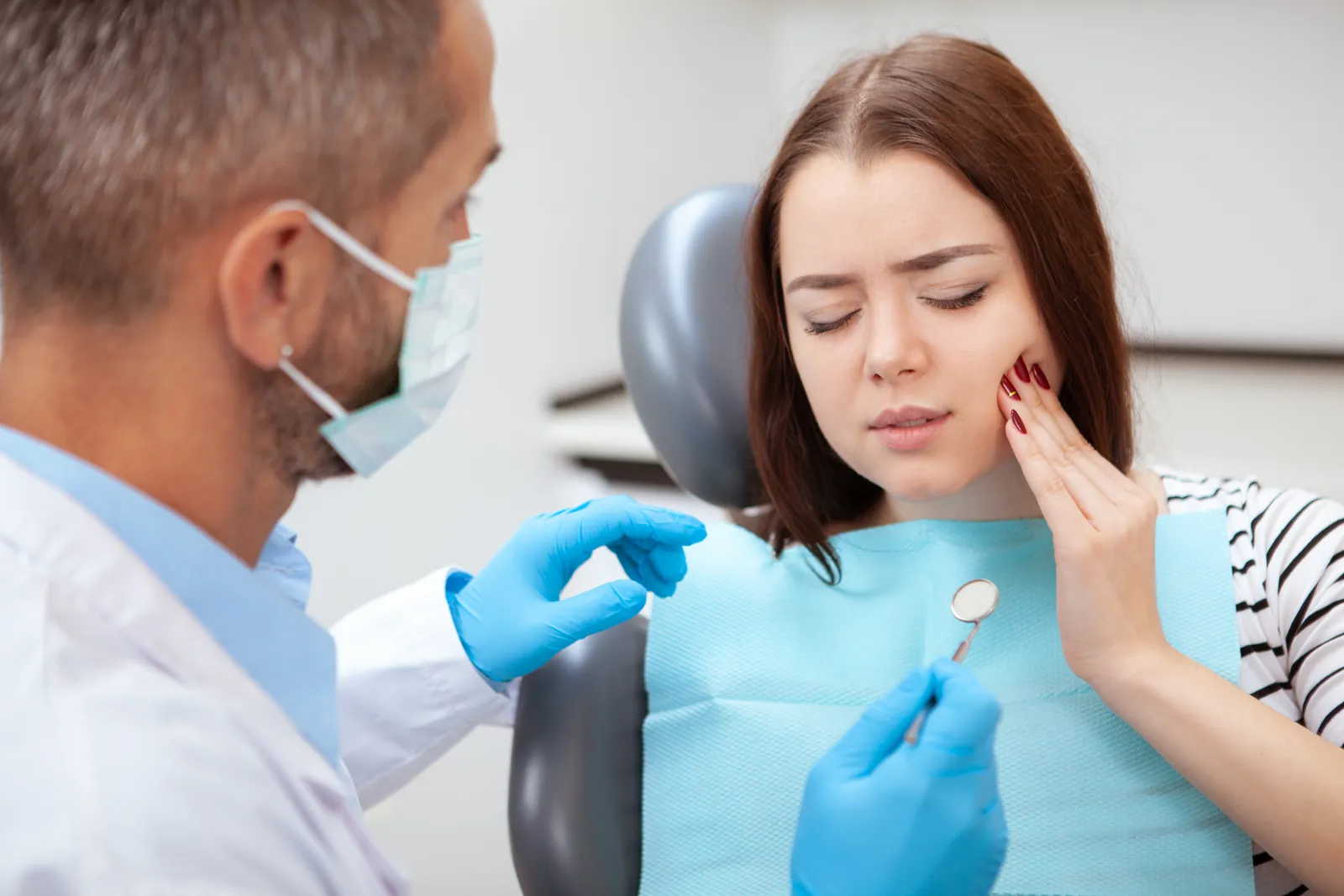
Assessment and x-ray
We establish whether the tooth genuinely needs removing and whether anything would save it. An x-ray shows the shape of the roots, which is what determines whether the extraction is straightforward or surgical.
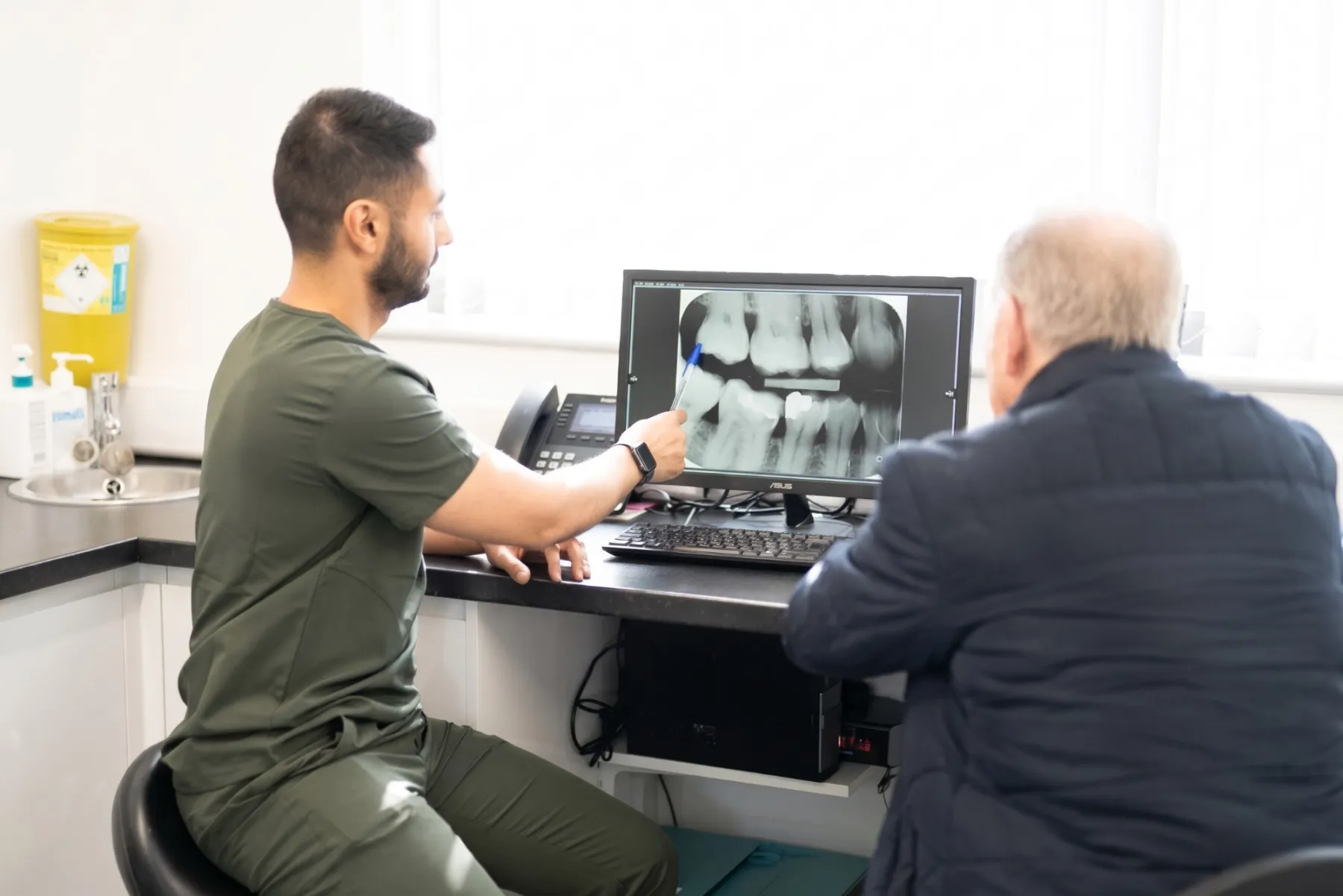
Planning the gap
Before anything comes out, we talk about whether and how you want to replace it. Some options, implants especially, give a better result when planned before the extraction rather than months afterwards.
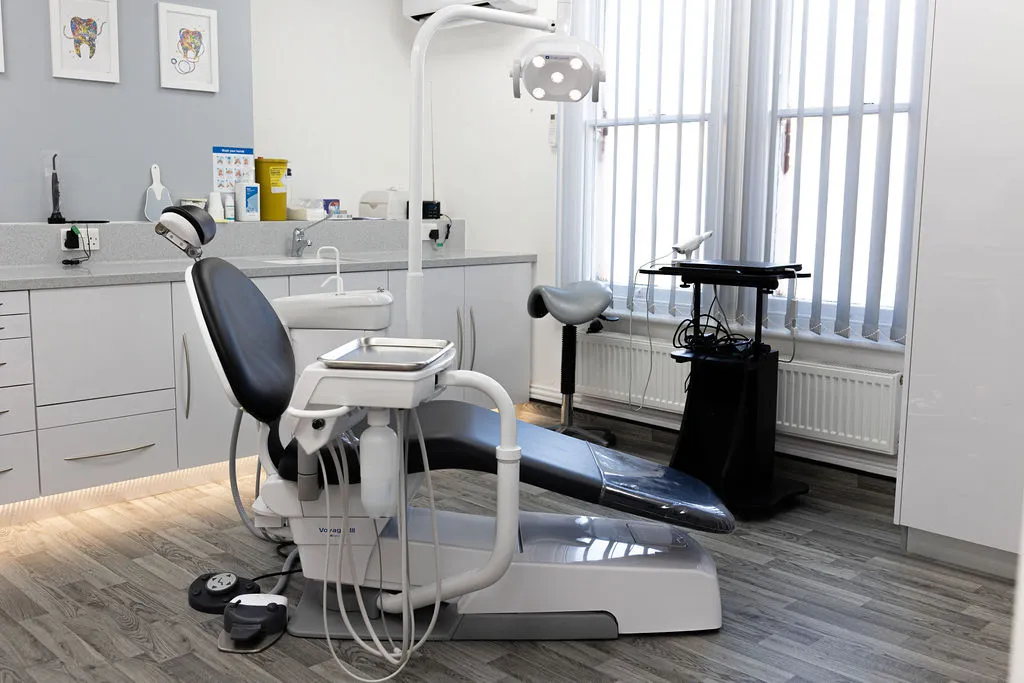
The appointment
The tooth and surrounding area are thoroughly numbed. You will feel firm pressure and movement but not pain. A surgical extraction may involve a small incision and stitches, which your dentist will explain beforehand.

The first 24 hours
You bite on gauze until the bleeding stops, avoid rinsing, smoking and hot drinks, and take painkillers before the anaesthetic wears off rather than after. This is the day that decides how the rest of the week goes.

Healing
Soreness and swelling for a few days is normal and settles. The socket closes over within a couple of weeks and the bone underneath continues to fill in over several months.
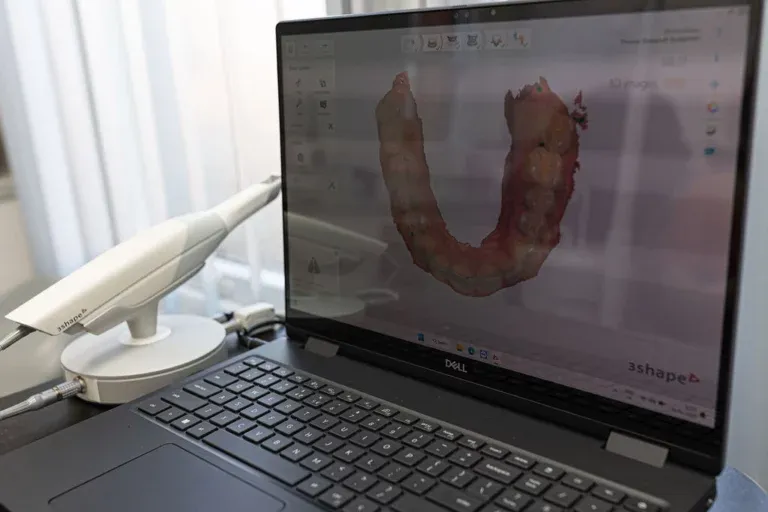
Replacing the tooth, when you are ready
If you are having the gap filled, treatment usually begins once the site has healed. There is no rush, but the longer a gap is left, the more the neighbouring teeth drift and the more the bone recedes.

How much does a tooth extraction cost in Newark?
Simple extractions at London Road Dental Practice are £150 to £220 and complex extractions from £270, because they take longer and involve more. Practice plan members pay 15% less. Sedation, if you want it, is charged separately by the hour.
- Simple £150 to £220, complex from £270
- Sedation charged separately, currently 50% off the first hour
- Practice plan members pay 15% less
- You are told the cost before we start


The first 48 hours matter most
Almost every extraction that goes badly goes badly because of something avoidable in the first two days. This is the short list that makes the difference.
The socket heals by forming a blood clot, and almost all aftercare is about protecting that clot. Dislodge it and you get a dry socket, which is considerably more painful than the extraction was and needs another appointment to settle.
- Do not rinse for 24 hours. After that, gentle warm salt water rinses several times a day. Vigorous swilling is the single most common cause of a dry socket.
- Do not smoke. Smoking dramatically increases the risk of a dry socket. Forty-eight hours makes a real difference, and longer is better.
- No straws, and no spitting. Both create suction that lifts the clot straight out of the socket.
- Take painkillers before it wears off. Staying ahead of the discomfort works far better than chasing it. Follow the packet.
- Soft food and cool drinks for a day or two. Chew on the other side and avoid anything hot while the area is numb or tender.
- Keep brushing, just carefully. Clean the rest of your mouth as normal and avoid the socket itself for the first day.
If you get severe pain two to four days afterwards, often with a bad taste or smell, that is usually a dry socket. Ring us. It is easily treated and there is no need to endure it.
What happens to the gap?
This is the decision most people put off and then regret putting off. You do not have to decide today, but you should know what the options are before the tooth comes out.
| Leave the gap | Denture | Bridge | Implant | |
|---|---|---|---|---|
| Other teeth affected | They drift and tilt | Clasps can wear them | Neighbours filed down | None |
| Protects the bone | No | No | No | Yes |
| Fixed in place | N/A | No | Yes | Yes |
| Treatment time | None | A few weeks | A few weeks | 3 to 6 months |
| Cost | None now | Lowest | Middle | Highest |
| Best for | Some back teeth | Several gaps, lower cost | One gap, teeth either side already treated | Long-term, one or more gaps |
Leaving a gap is sometimes perfectly reasonable, particularly for a back tooth that nobody sees and that is not carrying much of your bite. It is a decision worth making deliberately rather than by default, because the longer it is left the more the surrounding teeth move.

What our patients say about their extraction
The reviews for this treatment are almost all about the same thing: it was less bad than they had spent weeks imagining.

Tooth extraction questions we get asked in Newark
The extraction itself should not, because the area is thoroughly numbed first. You will feel firm pressure and movement, which surprises people, but not pain. Afterwards expect soreness for several days, usually managed with ordinary painkillers.
The gum closes over within one to two weeks and most of the discomfort has gone within three or four days. The bone underneath continues to fill in for several months, which is why implant treatment usually waits a while after an extraction.
It is what happens when the blood clot protecting the socket is dislodged, leaving the bone exposed. It causes severe pain two to four days after the extraction, often with a bad taste. It is treatable and settles quickly once dressed, so ring rather than waiting it out.
Yes, and it is the most common reason people ask about it. IV sedation is provided in-house by our own sedation dentist while your usual dentist carries out the extraction. The consultation to discuss it is free.
Simple and surgical extractions are carried out here, and wisdom teeth are assessed individually because they vary enormously. Some are straightforward and some sit in positions that make removal more complex. Your dentist will tell you what applies to yours after an x-ray.
After a simple extraction most people manage the same day, though you may prefer not to. After a surgical extraction, or if you have had sedation, take the rest of the day. Sedation also means you cannot drive and need somebody to take you home.
Yes. London Road Dental Practice is on London Road in Newark-on-Trent, around ten minutes from both Balderton and Collingham, with free parking on site, which matters if you are having sedation and somebody is collecting you. We also see patients from Fernwood, Coddington, Winthorpe, Farndon, Southwell and Sutton-on-Trent.
Find out whether it really has to come out
If you have been told a tooth needs extracting, it is worth a second look. Plenty of teeth that get removed could have been saved by somebody who had the time and the training to try.
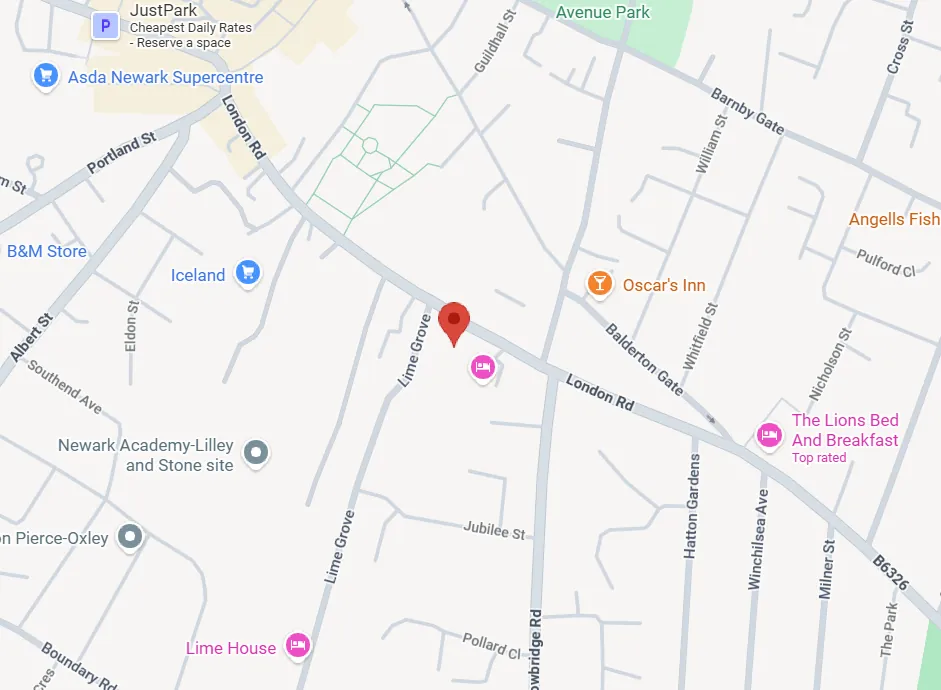
Find us on London Road.
36 London Road
Newark-on-Trent
Nottinghamshire NG24 1TF 01636 702241
Five minutes' walk from the town centre, close to the A1 and A46. Free on-site parking, plus pay and display at Deane Court Hotel (50p an hour, coins). Newark Castle and Newark Northgate stations are both under ten minutes away. Wheelchair accessible with downstairs surgeries and WC.