Crowns and bridges in Newark, for teeth worth saving
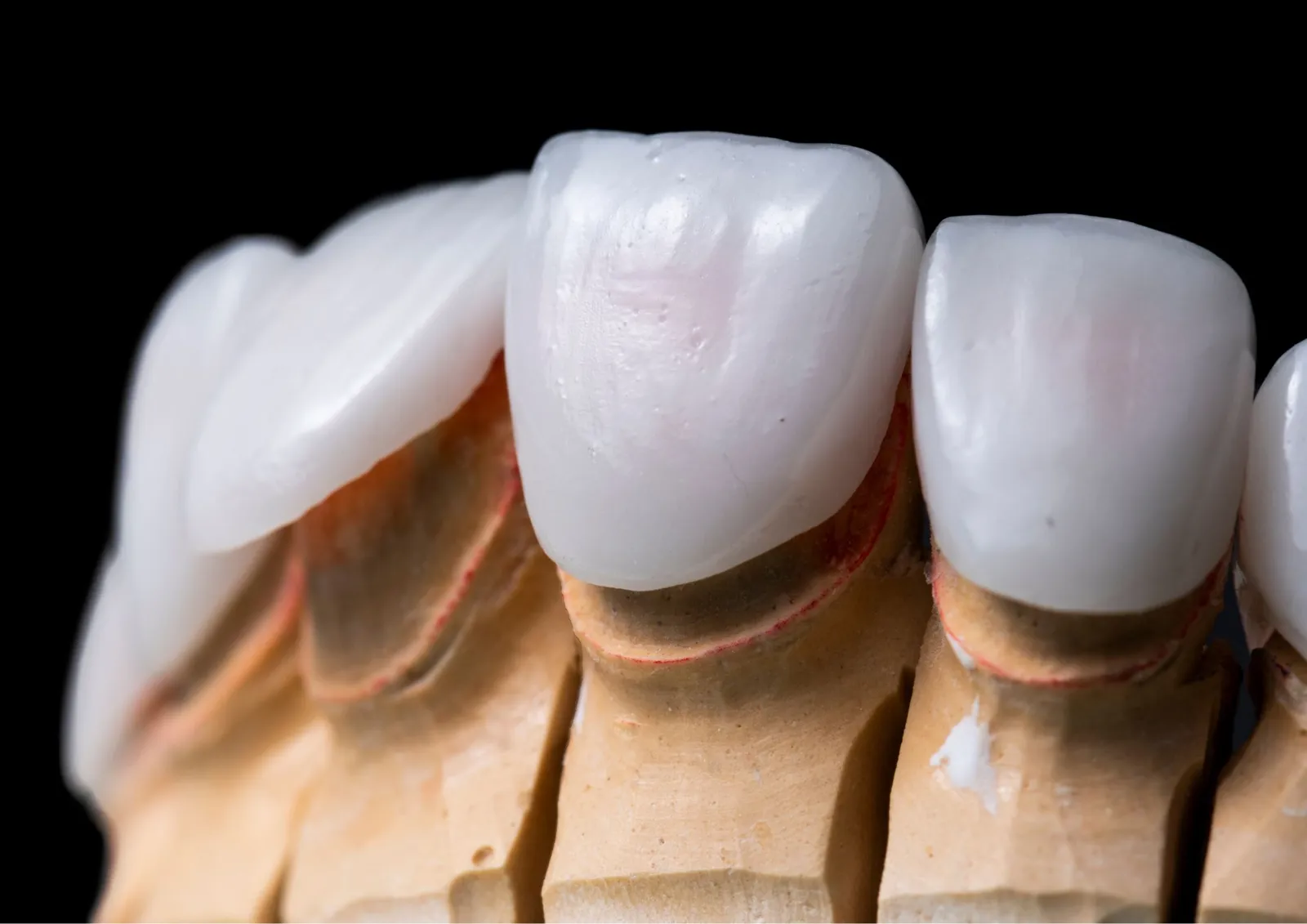
A crown rebuilds a tooth that has broken down too far for a filling. A bridge fills a gap using the teeth either side. Both are scanned digitally here rather than taken in impression putty.
Scanned, not moulded
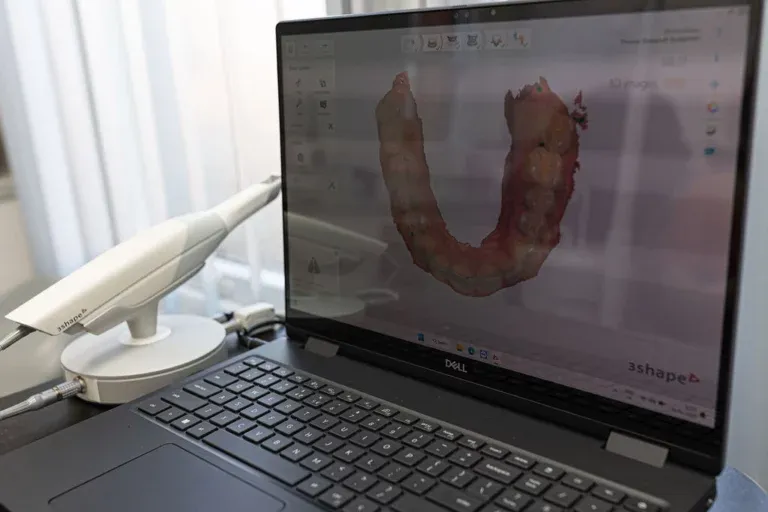
Our digital scanner captures the tooth digitally. No putty, no impression tray and nothing to gag on.
We will suggest less if less will do
An inlay or onlay keeps more of your tooth than a full crown. Where one would work, we will offer it.
Root canal and crown planned together
Two of our dentists hold postgraduate endodontic qualifications, so a root-treated tooth is restored here rather than passed between practices.
Two dentists working in restorative dentistry
Dr Marina Balazs and Dr Rabeeyah Cheema both hold postgraduate certificates in restorative and aesthetic dentistry.
IV sedation available in-house
Preparation appointments are longer than a filling. Sedation is available and your own dentist still carries out the work.
Most people who ask us about crowns have a tooth that has been patched more than once. It is usually the same one, and they have usually been chewing round it for a while.
A crown covers and protects a weakened tooth, and a bridge closes a gap using the teeth either side. Below we explain when each is worth it, what the stages are and what they cost.

The tooth you have been nursing along for years
Most crowns we place go onto teeth that have been patched up repeatedly. A filling, then a bigger filling, then a bigger one again, until there is more filling than tooth and the thing finally cracks on something soft. By that point you have usually been chewing carefully on that side for months without quite admitting it.
A crown is what stops that cycle. It covers the whole tooth rather than filling a hole in it, which takes the pressure off the weakened walls and lets you stop thinking about it. At London Road Dental Practice we will also tell you when a crown is more than the tooth needs, which is more often than you might expect.
It holds a weakened tooth together
A large filling sits inside the tooth and pushes the walls apart every time you bite. A crown wraps around the outside and holds it together instead. That difference is why crowns stop teeth splitting.
It protects a root-treated tooth
A tooth that has had root canal treatment loses its blood supply and becomes more brittle. On a back tooth doing the chewing, a crown is usually what stops it fracturing later.
A bridge fills a gap without surgery
Where a tooth is already missing and implants are not for you, a bridge closes the gap in a few weeks using the teeth either side as support.
It is made to match
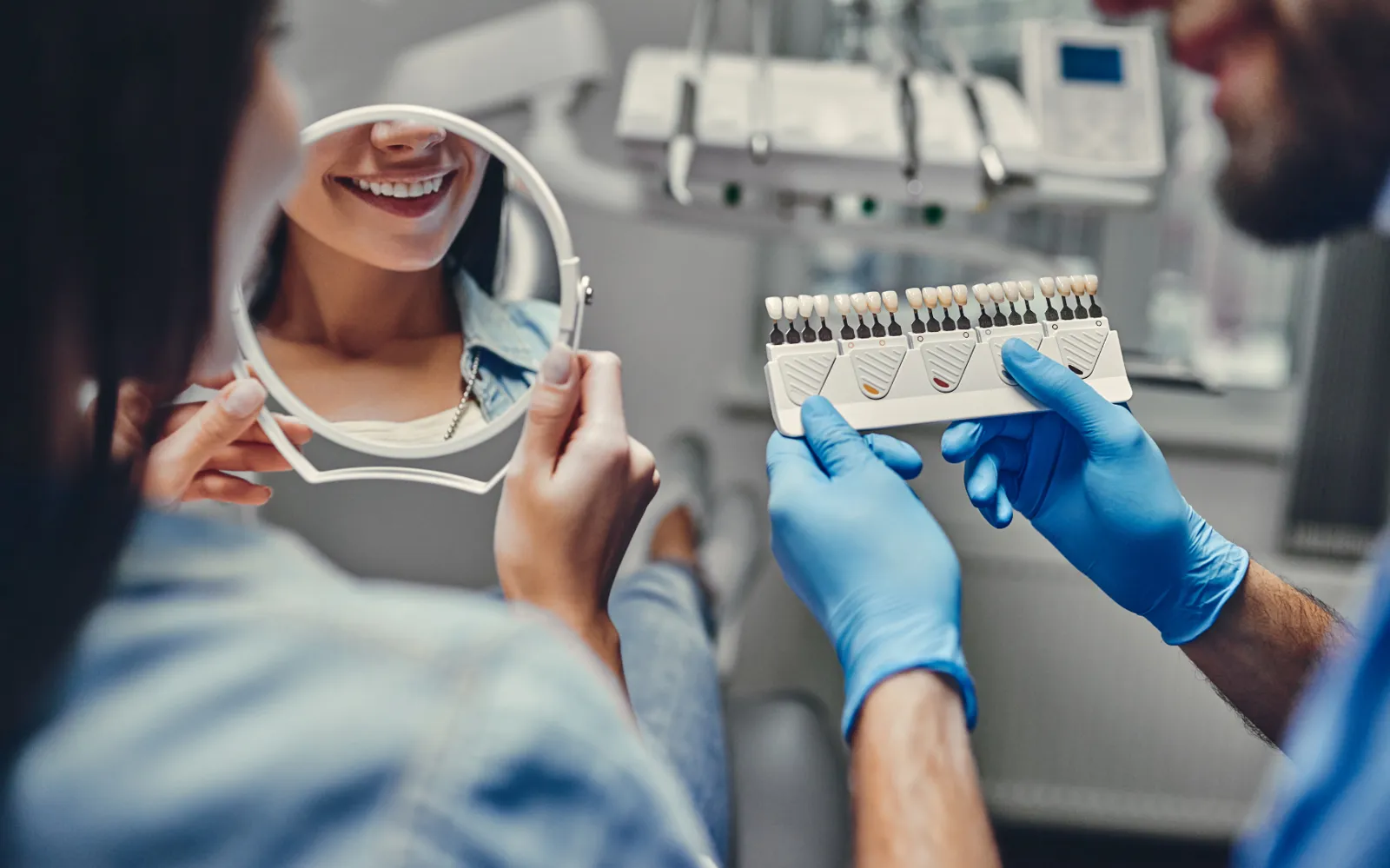
Shade, shape and surface are matched to the teeth around it. On a front tooth that matching is most of the work, which is why the scan and the photographs matter.
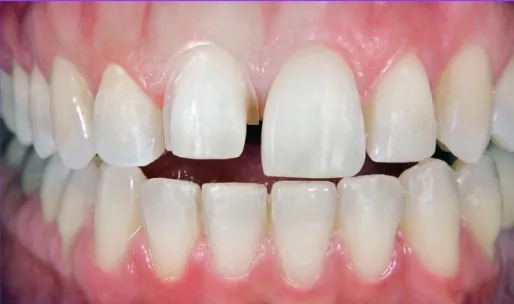
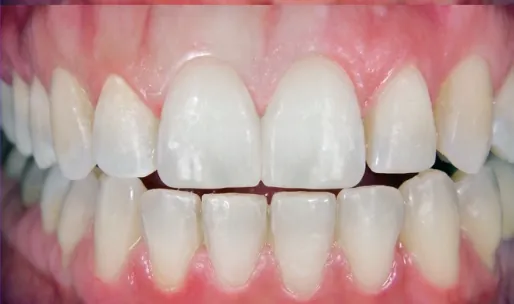
Crowns and bridges before and after, on our own Newark patients
No stock photography and no manufacturer images. These are people treated here at London Road Dental Practice. Drag the handle to see the change.
 Before
After
Before
After

A tooth that has cracked or split
A very large old filling
A tooth that has had root canal treatment
A tooth worn down by grinding
A gap with healthy teeth either side
A discoloured or misshapen front tooth
Do I need a crown, or would something smaller do?
This is the question worth asking, because a crown involves reducing the whole tooth and there is no going back from that. Where enough healthy tooth remains, an inlay or onlay rebuilds the damaged part while leaving the rest alone.
The honest rule of thumb is that the more tooth that has gone, the more you need something that wraps around what is left. A filling repairs a hole. An onlay rebuilds a cusp. A crown covers everything. And where a tooth has broken down past saving, extraction and an implant may be the better long-term answer than crowning something that will not last.
Why have crowns and bridges done here in Newark?
This is work that is judged on fit, on colour and on whether it is still there in fifteen years. None of that is visible on the day.
9 people on your crown or bridge
All of our dentists provide crowns and bridges. You see the same dentist from preparation through to fitting, which matters on work judged entirely on fit and colour.
Dr Marina Balazs
DentistQualified in 2014, with a particular interest in advanced cosmetic and restorative treatments. Holds a Certificate and a Diploma in Endodontics, and particularly enjoys helping patients preserve and restore their natural teeth.

Dr Rabeeyah Cheema
DentistGraduated from Newcastle University in 2022 with a Postgraduate Certificate in Endodontics, and is working towards a Postgraduate Diploma in Restorative and Aesthetic Dentistry alongside further endodontic qualifications.
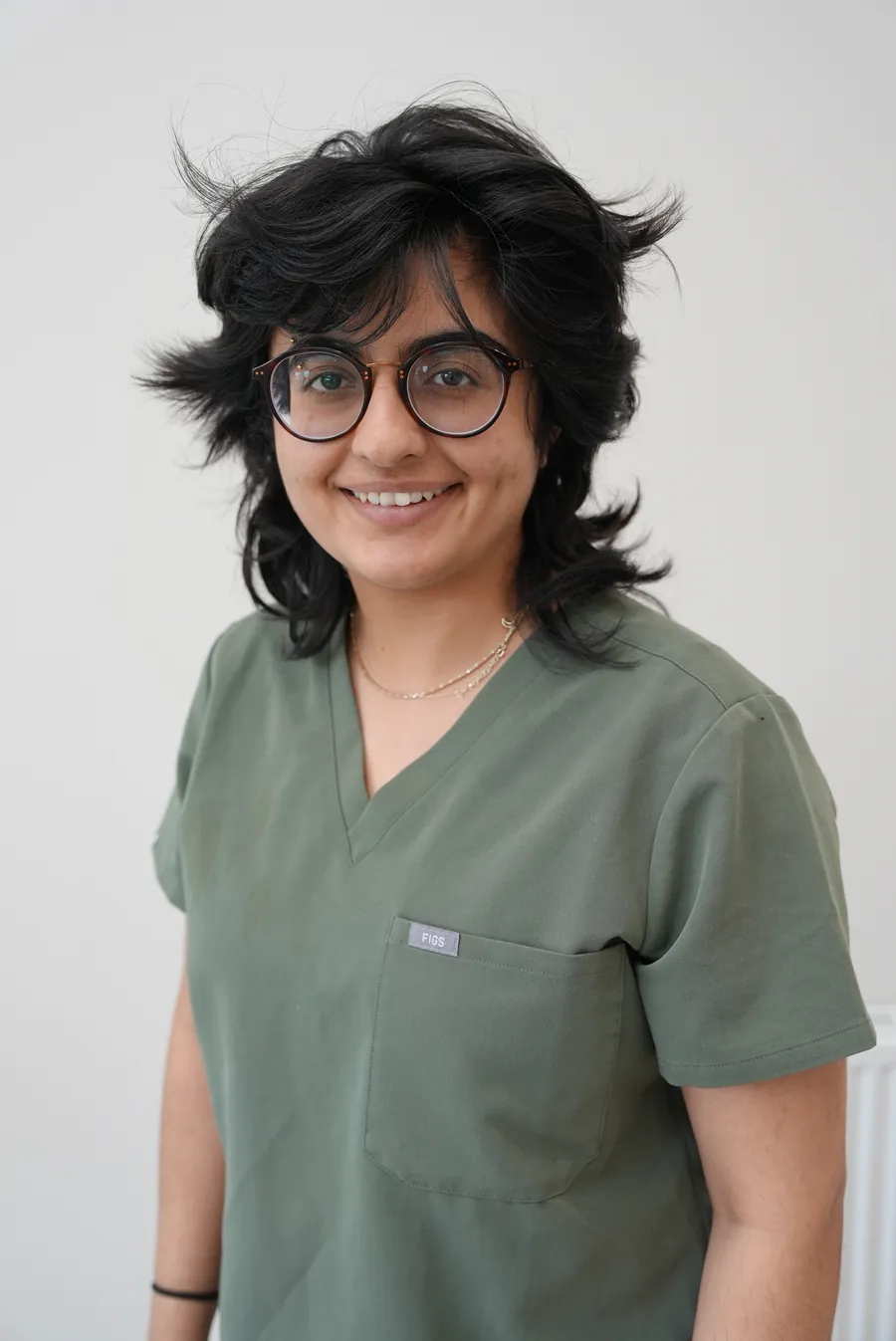
Sameet Hindocha
Principal dentistThe principal dentist, with the practice since 2021.
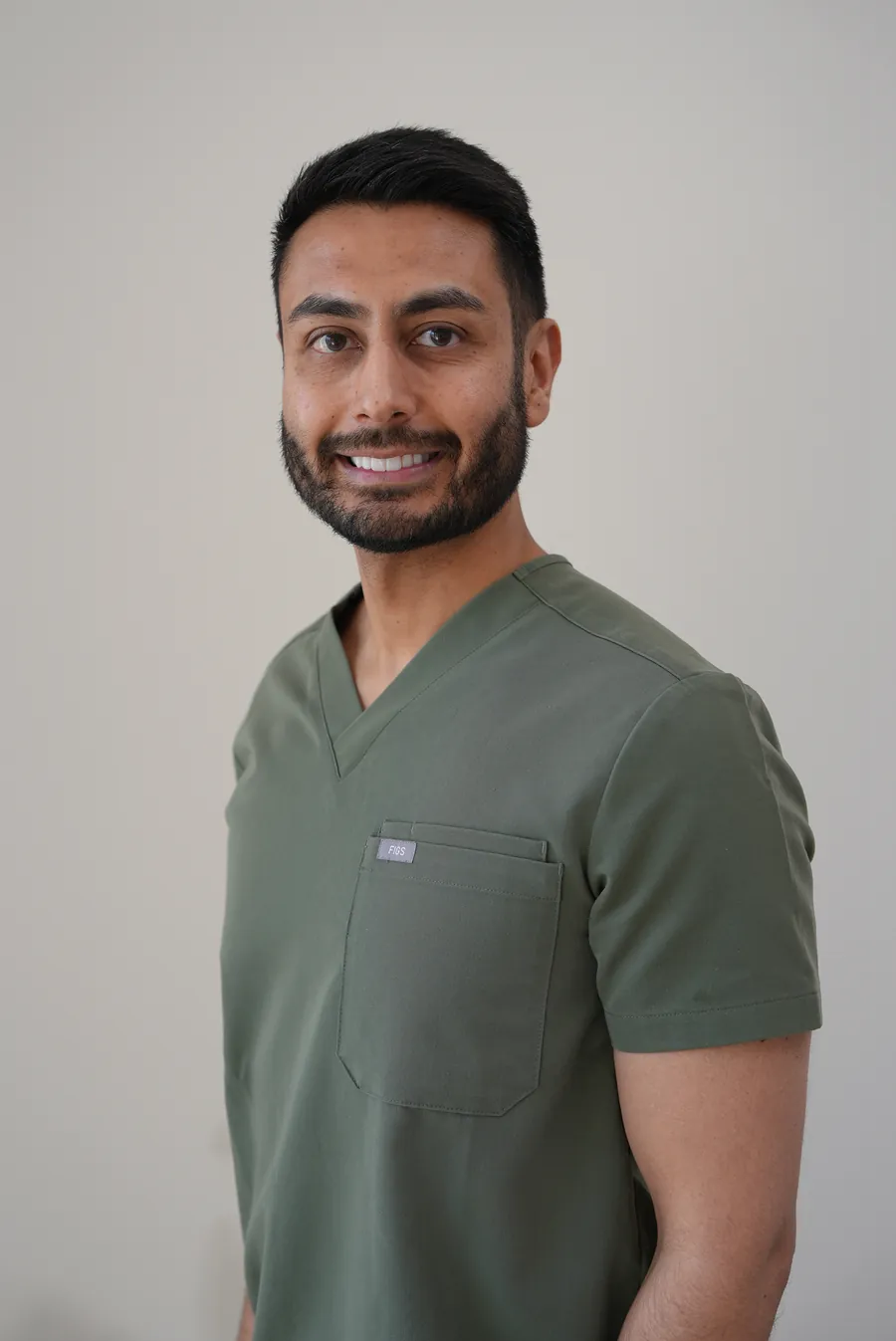
Nayra Noble
ImplantologistPlaces our Straumann implants, from single teeth to full implant dentures.

Dr Abigail Saunders
DentistBorn and raised in the Newark-on-Trent area, qualified at the University of Leeds in 2010 and with the practice since 2013. Enjoys all aspects of general dentistry and works at your pace.

Keshlee Chandarana
DentistGeneral and family dentistry.
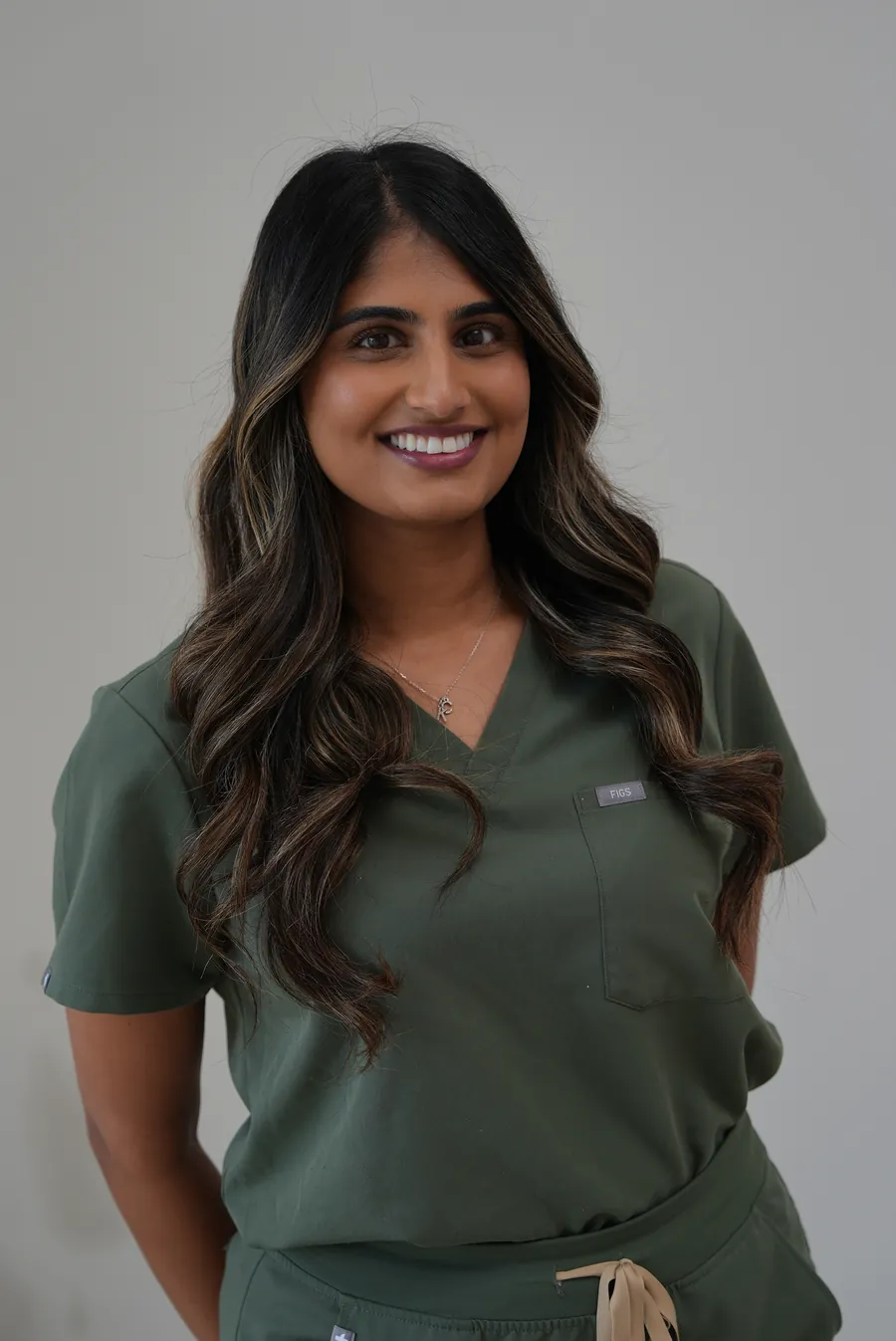
Dr Mehrver Butt
Dentist and sedationGraduated in 2017 with experience across general practice, hospital and community dentistry. Trained in sedation, and works a great deal with nervous patients.

Sophie Norman
DentistSophie is the newest dentist to join the team at London Road Dental Practice.
Alice Maxwell
Patient coordinatorNot a dentist, which a lot of patients find easier. Alice handles costs, finance and timescales, and is your point of contact if your crown forms part of a larger plan.

Two appointments, three weeks, one tooth you stop thinking about
We built this around keeping you in a working tooth throughout. You leave the first appointment with a temporary that looks and functions properly, not something you have to hide for a fortnight.
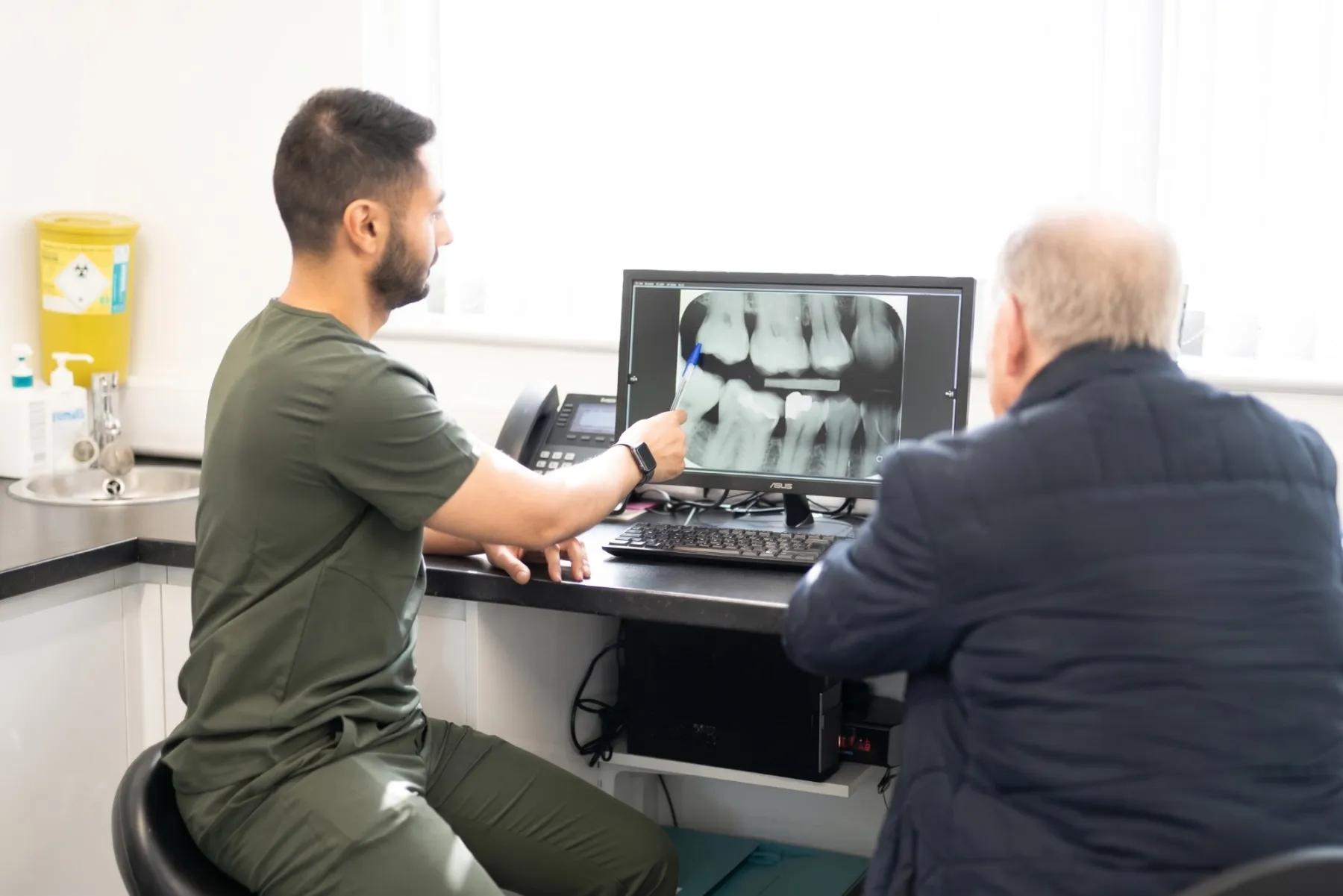
Assessment and x-ray
We establish how much healthy tooth remains and whether a crown is genuinely needed or whether an inlay, onlay or large filling would do. An x-ray shows what is happening at the root and under any existing work.
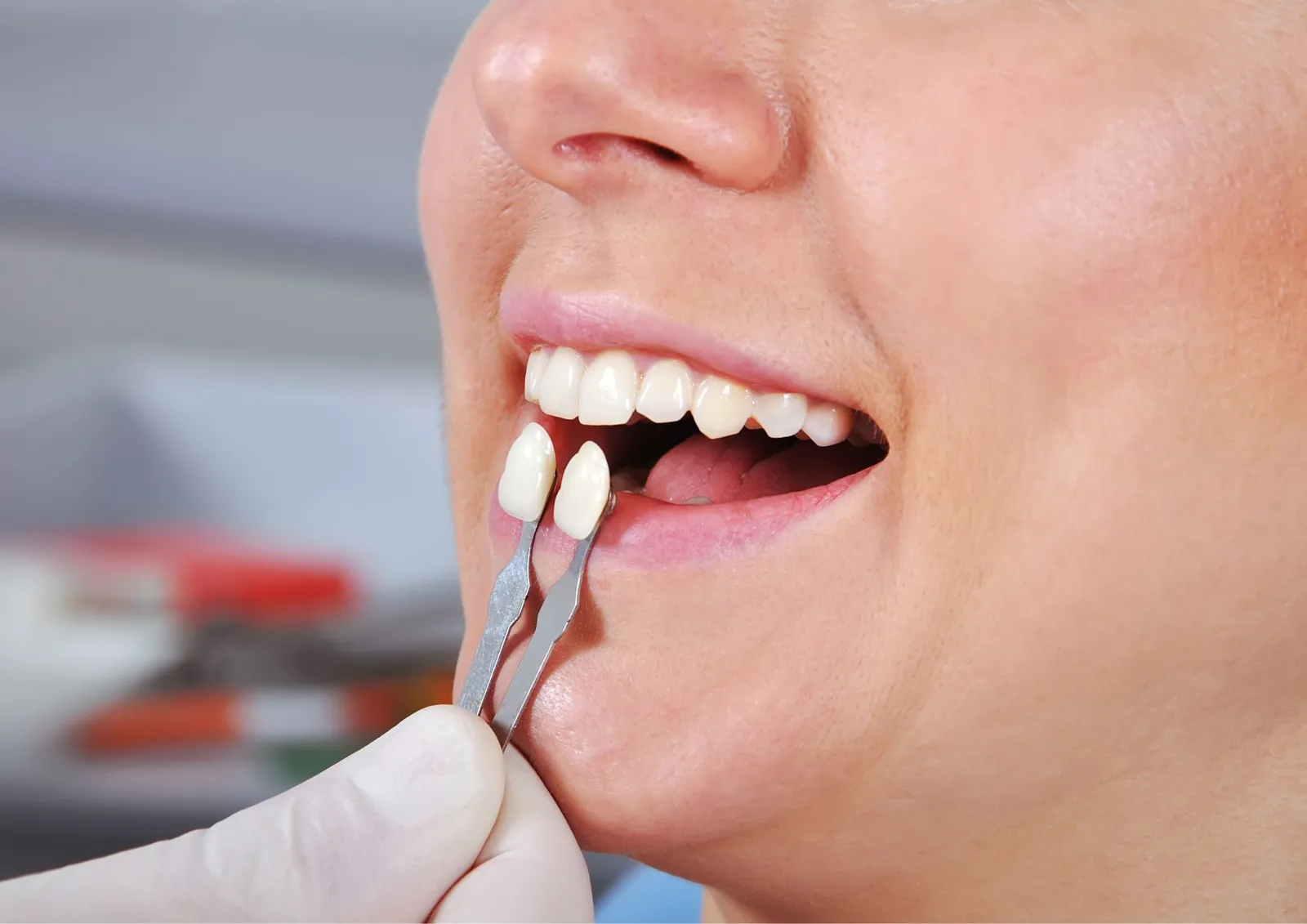
Agreeing the approach and the shade
Which restoration, which material and what it will cost. If you are planning whitening, this is where we sequence it, because the shade is matched at the next appointment and cannot be changed afterwards.
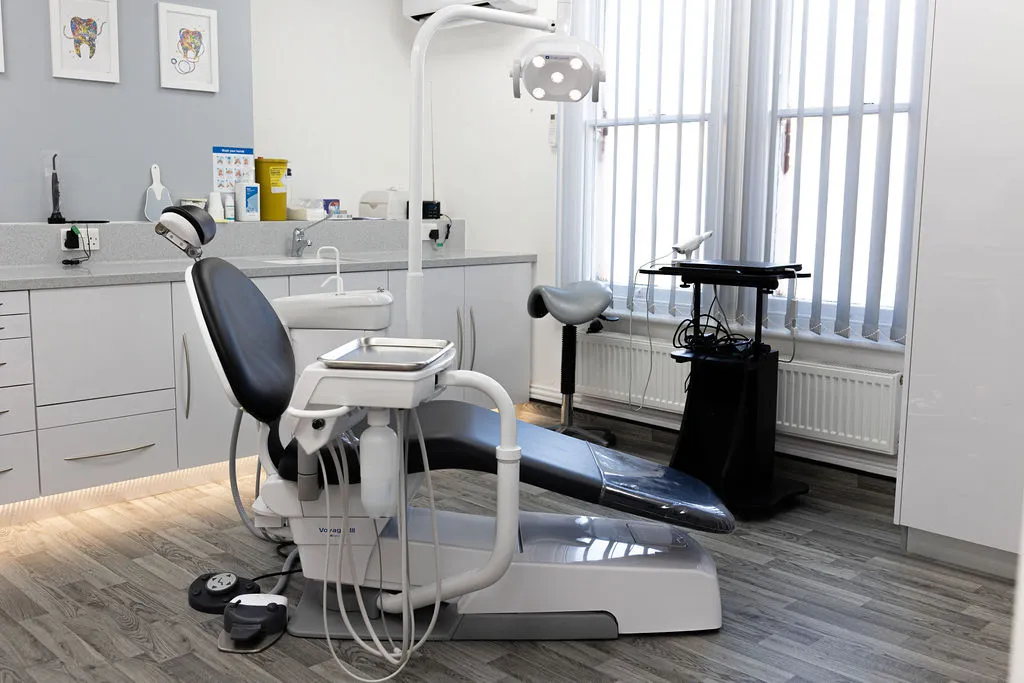
Preparing the tooth and scanning it
The tooth is numbed and shaped so the crown has room to sit. We then scan it digitally rather than taking putty impressions, and the scan goes to the laboratory.

Your temporary
A temporary crown or bridge is fitted the same day so you leave with a tooth that works and looks right. Avoid very sticky food on it, and ring us if it comes off rather than waiting.

Fitting the permanent crown or bridge
The temporary comes off, the fit, shade and contacts are checked, and the crown is cemented into place. Your bite is then checked and adjusted carefully before you leave.

A review
We check the gum has settled around the margin, that the bite still feels right once you have been eating on it, and that nothing is catching when you floss.

How much do crowns and bridges cost in Newark?
Crowns at London Road Dental Practice start from £650 per tooth and bridges from £650 per unit, or £470 per unit for an adhesive bridge. An inlay or onlay starts from £500. Practice plan members pay 15% less across all of them. Finance runs through Tabeo on treatment over £1,000 with no minimum deposit.
- Crowns from £650, bridges from £470 a unit
- Inlays and onlays from £500, often less
- Practice plan members pay 15% less
- 0% finance over 12 months available

Filling, inlay, onlay or crown?
These are the four steps on the same ladder, and the right one is decided by how much healthy tooth is left rather than by how much the tooth hurts.
| Filling | Inlay or onlay | Crown | |
|---|---|---|---|
| Tooth removed | Only the decay | Decay and a shaped recess | The whole outer surface |
| How much it covers | Part of the tooth | A section, or a cusp | All of it |
| Made in a laboratory | No | Yes | Yes |
| Appointments | One | Two | Two |
| Holds a cracked tooth together | No | Partly | Yes |
| Typical lifespan | 5 to 15 years | 10 to 15 years | 10 to 15 years |
| Cost | Lowest | Middle | Highest |
| Best when | Plenty of tooth remains | A section is damaged | Little healthy tooth is left |

What a bridge costs your other teeth
Bridges are a good treatment and we fit them regularly. They also have a trade-off that is frequently left out of the conversation, so here it is.
A conventional bridge spans a gap by sitting on the teeth either side of it. To carry that span, those two teeth have to be filed down and crowned, even if there is nothing at all wrong with them. You are solving one problem by permanently altering two healthy teeth.
That is a reasonable trade when those neighbouring teeth already have large fillings or crowns, because they were heading for crowning anyway. It is a much harder trade when they are untouched, which is when an implant is usually the better long-term answer even though it costs more upfront.
- If the neighbouring teeth are already heavily filled, a bridge makes good sense and crowns them usefully at the same time.
- If they are healthy and untouched, think hard. An implant leaves them alone entirely and protects the bone under the gap.
- Bridges are harder to clean. Floss has to be threaded underneath the span, and decay at the margins is the usual reason they eventually fail.
- When a bridge fails, you lose more than the bridge. Decay under one support tooth can mean losing it, turning a one-tooth gap into a three-tooth problem.
None of this means do not have a bridge. It means have the conversation before you agree to one, and we will have it with you honestly.

What our patients say
Nobody plans for a crown. The reviews tend to be about being given the choice rather than the invoice.

Crown and bridge questions we get asked in Newark
The tooth is numbed with local anaesthetic first, so you feel pressure and vibration rather than pain. The preparation appointment is longer than a filling, which is the part most people mind. If that is a problem, sedation is available here.
Typically ten to fifteen years, often longer. What shortens that is decay getting in at the margin where the crown meets the tooth, grinding, and a bite that was never properly adjusted. Cleaning the gum line well is the single biggest factor you control.
They should not. Shade, shape and surface texture are matched to the teeth around it, and the scan captures the detail the laboratory needs. Front teeth take the most care and are planned accordingly.
Only if enough healthy tooth remains underneath to support it. Where a tooth has broken down below the gum line or the root is fractured, there is nothing for a crown to hold on to, and extraction with a replacement is usually the honest answer.
Usually, particularly on a back tooth. A root-treated tooth has no blood supply and becomes brittle, so it is at genuine risk of splitting under chewing force. We plan and cost the crown alongside the root canal treatment rather than raising it afterwards.
Ring us and we will re-cement it. Do not leave it off, because the prepared tooth is sensitive and the teeth either side can drift enough in a few days to stop the permanent crown fitting. Keep the temporary if you can.
Not usually, unless the teeth either side of the gap already need crowning. A bridge means permanently altering two healthy teeth, while an implant leaves them untouched and preserves the bone. A bridge is quicker and cheaper upfront, which is a fair reason to choose one.
No. Crowns, bridges and veneers do not change colour, so if whitening is something you want, it has to come first and the crown is then matched to your whitened shade. Tell us at the assessment and we will sequence it.
Yes. London Road Dental Practice is on London Road in Newark-on-Trent, around five minutes from Coddington and fifteen from Southwell, with free parking on site. We see patients from across the area including Balderton, Fernwood, Winthorpe, Collingham, Farndon and Sutton-on-Trent.
Find out whether a crown is really the answer
If you have been told a tooth needs crowning, it is worth knowing whether something smaller would do. Come in and we will tell you honestly what is left to work with.
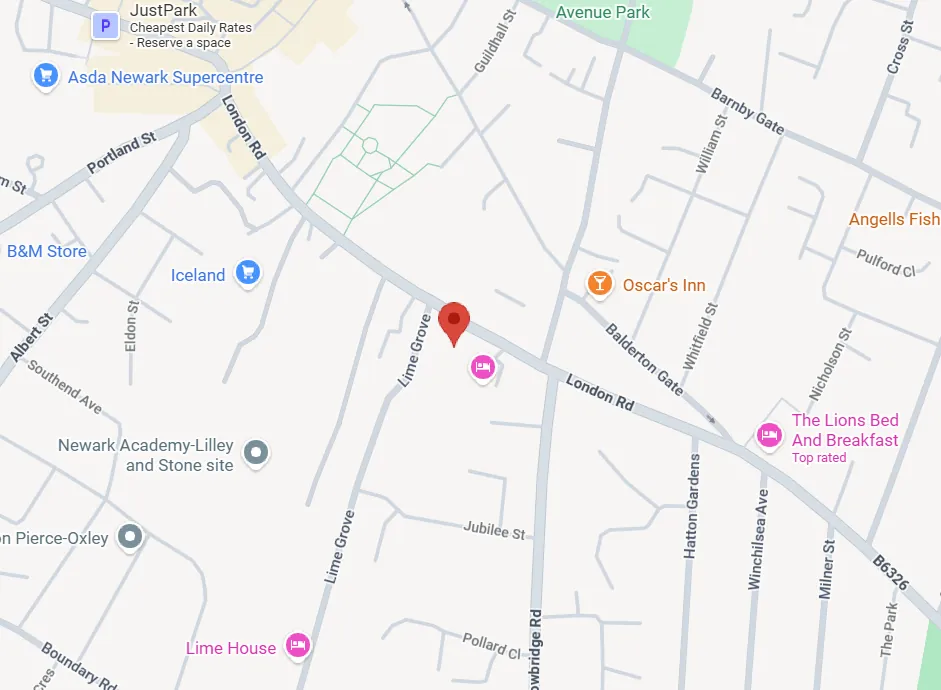
Find us on London Road.
36 London Road
Newark-on-Trent
Nottinghamshire NG24 1TF 01636 702241
Five minutes' walk from the town centre, close to the A1 and A46. Free on-site parking, plus pay and display at Deane Court Hotel (50p an hour, coins). Newark Castle and Newark Northgate stations are both under ten minutes away. Wheelchair accessible with downstairs surgeries and WC.