
TMJ treatment in Newark, for jaw pain and grinding
If you wake with a tight jaw, headaches at the temples or teeth that are visibly wearing down, this is a medical problem with a medical answer. Injections to relax the chewing muscles are from £290, and bite guards and occlusal analysis are available alongside.

A dental problem treated by dentists
Jaw muscles, bite and tooth wear are dentistry, not beauty. This is the one facial treatment that is genuinely medical.
Injections to relax the chewing muscles
Reducing the force of clenching and grinding, which usually eases jaw ache, headaches and further wear on the teeth. From £290.
Bite guards and splints available
A soft bite guard or bite raising appliance protects the teeth at night and is often used alongside or instead of injections.
Your bite assessed properly
Occlusal analysis looks at how your teeth actually meet, which is frequently part of the cause rather than a detail.
Your teeth and your jaw, together
Grinding damages teeth. Having the wear, the bite and the muscles looked at in one appointment is how the cause gets treated.
Most people who ask us about TMJ treatment have put up with it for a long time. A jaw that clicks, headaches that start near the ear, or a partner who has mentioned the grinding at night.
Treatment begins with finding out what is causing the problem. Below we cover the signs, the options from bite guards to injections, and what to expect on cost.
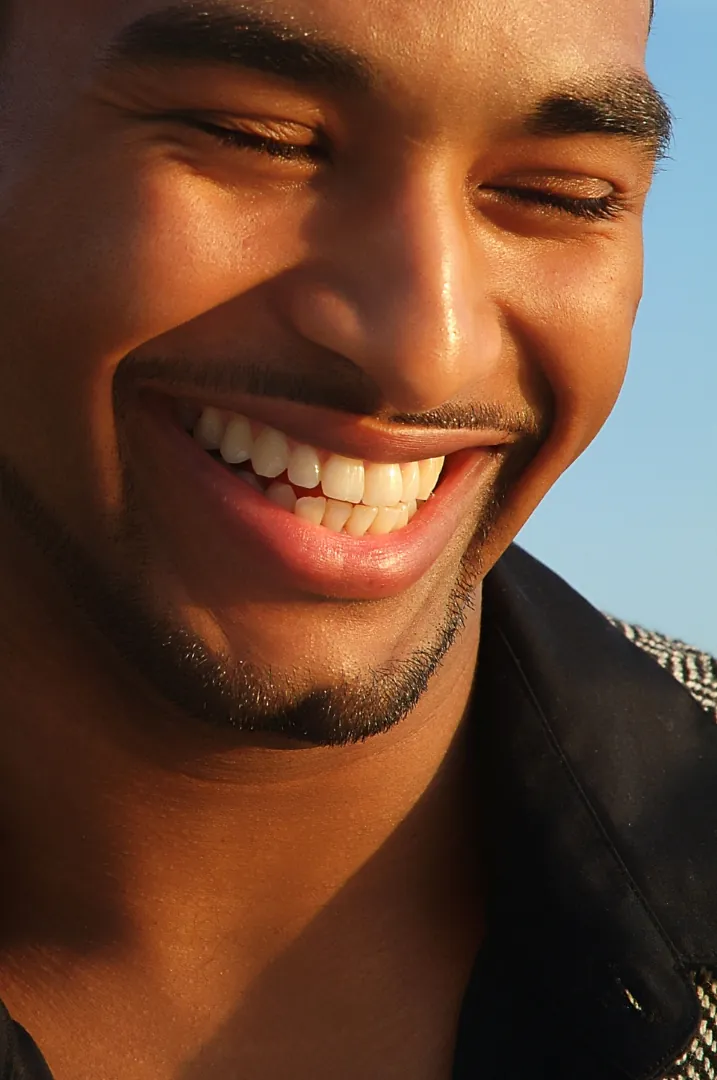
The headache that starts in your jaw
A good number of people live with this for years without connecting the symptoms. A dull ache at the side of the head, worse in the morning. A jaw that feels tired by the afternoon. Clicking when you open wide. Teeth that have quietly flattened. Each one on its own looks like something else, which is why people end up at the optician or on painkillers rather than at a dentist.
Clenching and grinding are the common thread. Most of it happens at night, which is why so few people know they do it, and the first evidence is often a partner mentioning the noise or a dentist noticing the wear. It is treatable, and at London Road Dental Practice we can look at the muscles, the bite and the damage to the teeth in the same appointment.
It treats the cause, not the headache
Painkillers manage the symptom. Reducing the force those muscles generate addresses the thing producing it, which is why relief tends to last rather than wear off by lunchtime.
It protects your teeth from further wear
Grinding flattens teeth, cracks fillings and shortens the front teeth over years. Reducing the force is the cheapest dentistry you will ever have, measured against what replacing worn teeth costs.
The jaw aches less and opens more easily
Overworked chewing muscles become tight and tender. Relaxing them generally eases the aching and the stiffness that comes with it.
Your bite is assessed at the same time
How your teeth actually meet is often part of the picture. Occlusal analysis and a bite guard can be used alongside injections, or sometimes instead of them.

Waking with a tight or aching jaw
Headaches at the temples
Teeth that are visibly flattening
Clicking or locking when you open
Fillings and crowns that keep breaking
A partner who has mentioned the noise
Does this sound like you?
People rarely arrive saying they have a TMJ problem. They arrive saying they have headaches, or that a dentist has told them their teeth are wearing. The symptoms below cluster together, and if several of them apply it is worth an appointment.
Not everybody needs injections. Sometimes a bite guard at night is enough, sometimes the bite itself needs looking at, and sometimes stress is the main driver and that is worth naming. The consultation sorts out which applies to you before anything is given.
Why have TMJ treatment here in Newark?
This is the facial treatment that most obviously belongs in a dental practice, because the jaw, the bite and the teeth are all part of the same problem.
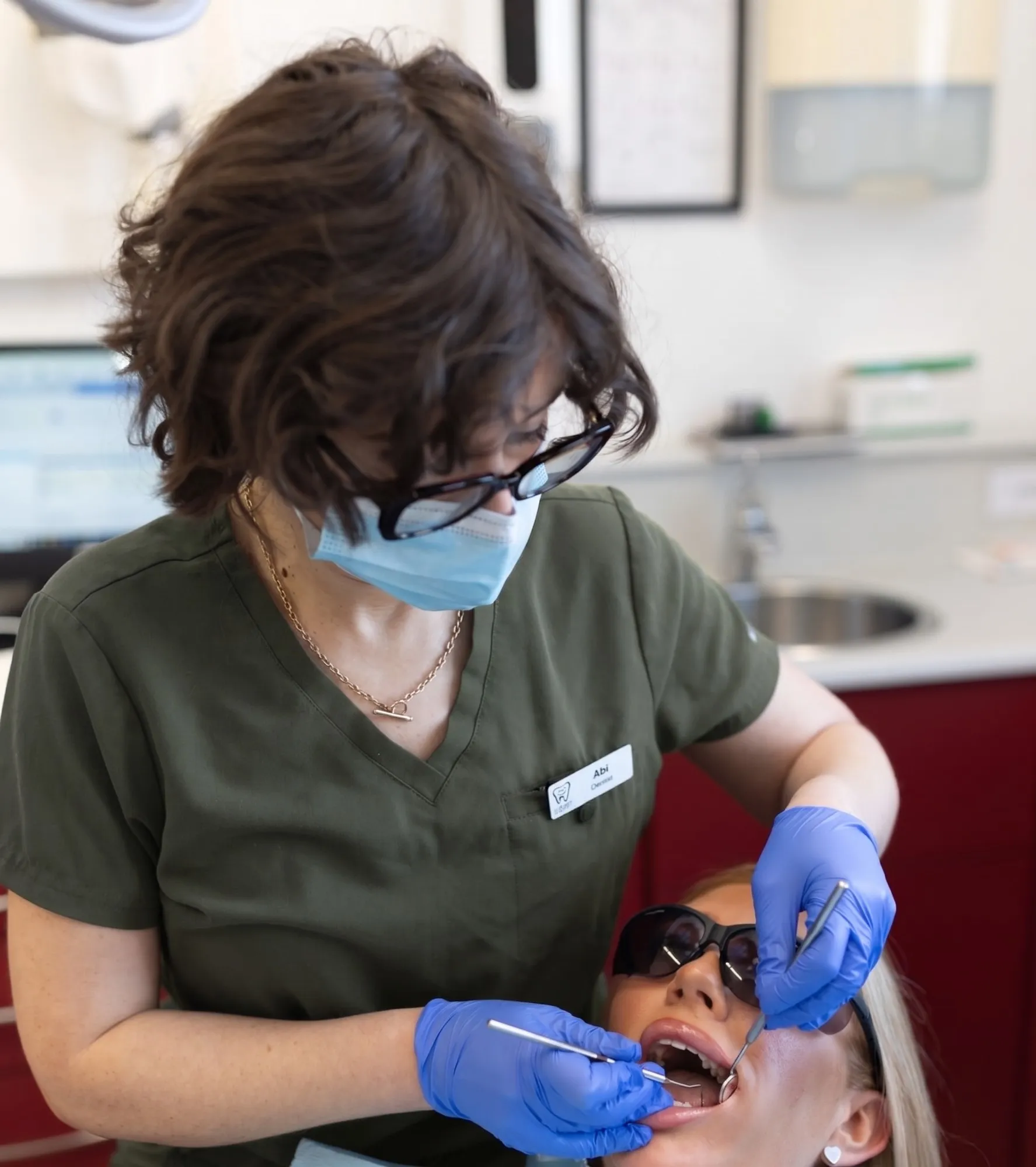

2 clinicians who deliver TMJ treatment
Both are dentists at the practice, which is the point. Your bite, your teeth and your jaw muscles are assessed by the same person.
Dr Marina Balazs
DentistQualified in 2014, with a particular interest in advanced cosmetic and restorative treatments. Holds a Certificate and a Diploma in Endodontics, and offers a range of facial aesthetic treatments including TMJ injections, helping patients achieve both oral health and facial harmony.

Dr Mehrver Butt
Dentist and sedationGraduated in 2017 with experience across general practice, hospital and community dentistry. Trained in sedation and in facial aesthetics, with an approach built around no rushing and plenty of time for questions.

Working out the cause before treating the symptom
We built this around assessment first, because jaw pain has several possible causes and the right treatment depends entirely on which one you have. Injections are one option among several, not the default.
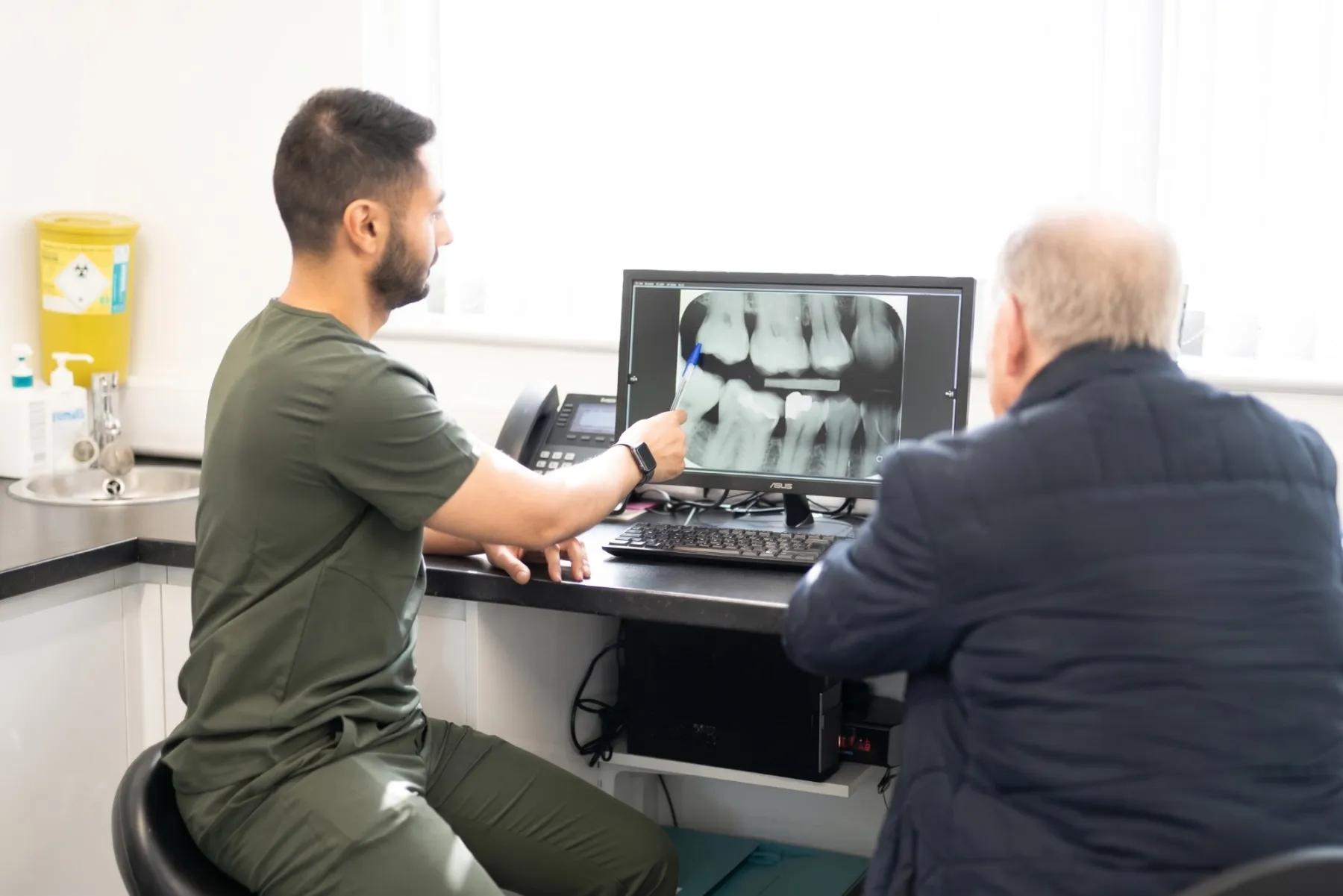
Your consultation
We go through your symptoms, when they are worst and how long they have been going on. Your jaw muscles and joint are examined, your teeth are checked for wear, and your medical history is reviewed.
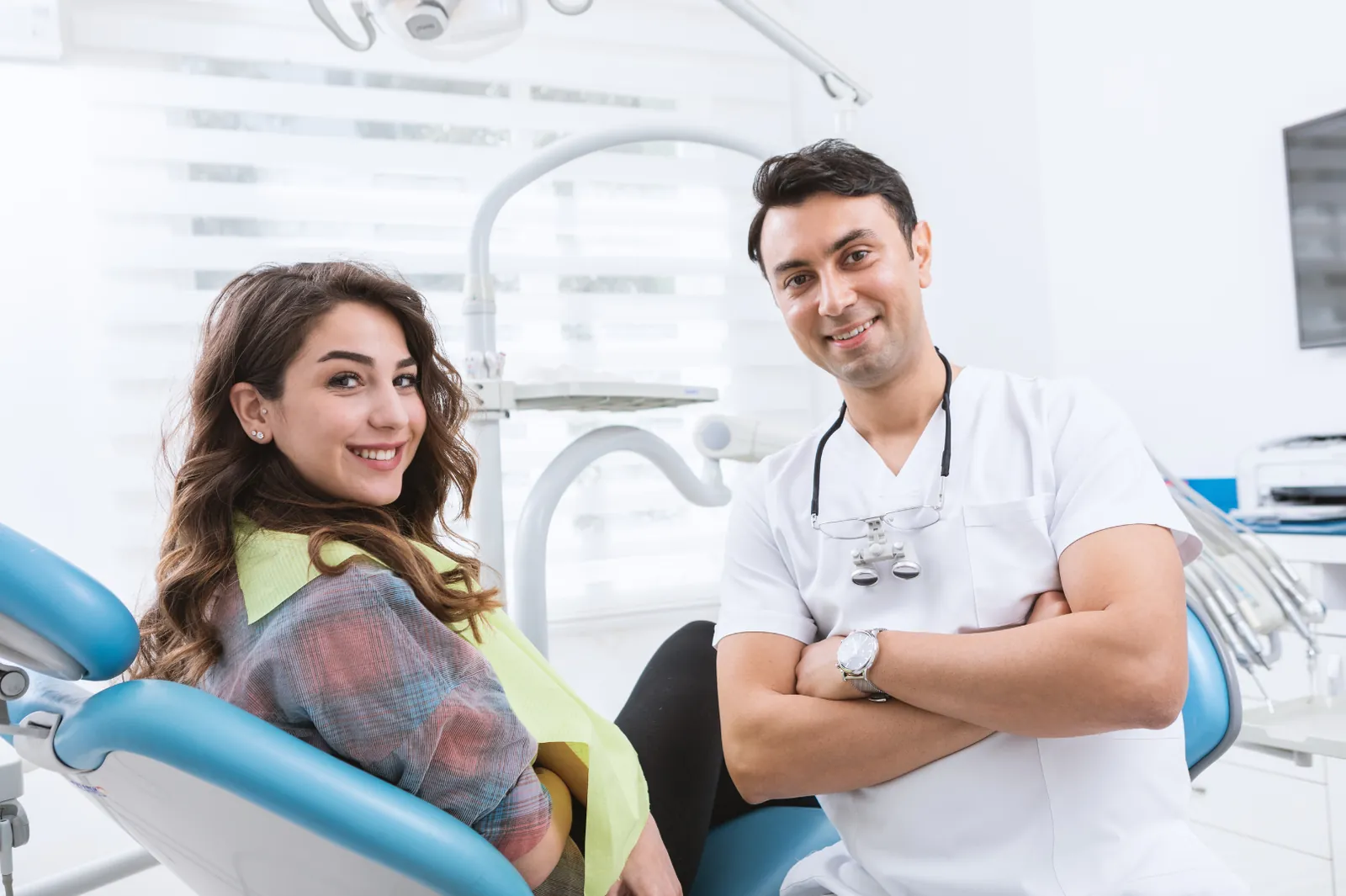
Looking at your bite
Occlusal analysis assesses how your teeth actually meet, which is frequently part of the picture. Where it is relevant, this is where it gets identified rather than being treated as a separate issue later.

Agreeing the approach
That might be injections, a bite guard at night, attention to the bite itself, or a combination. You will be told what each involves, what it costs and what it is realistic to expect from it.
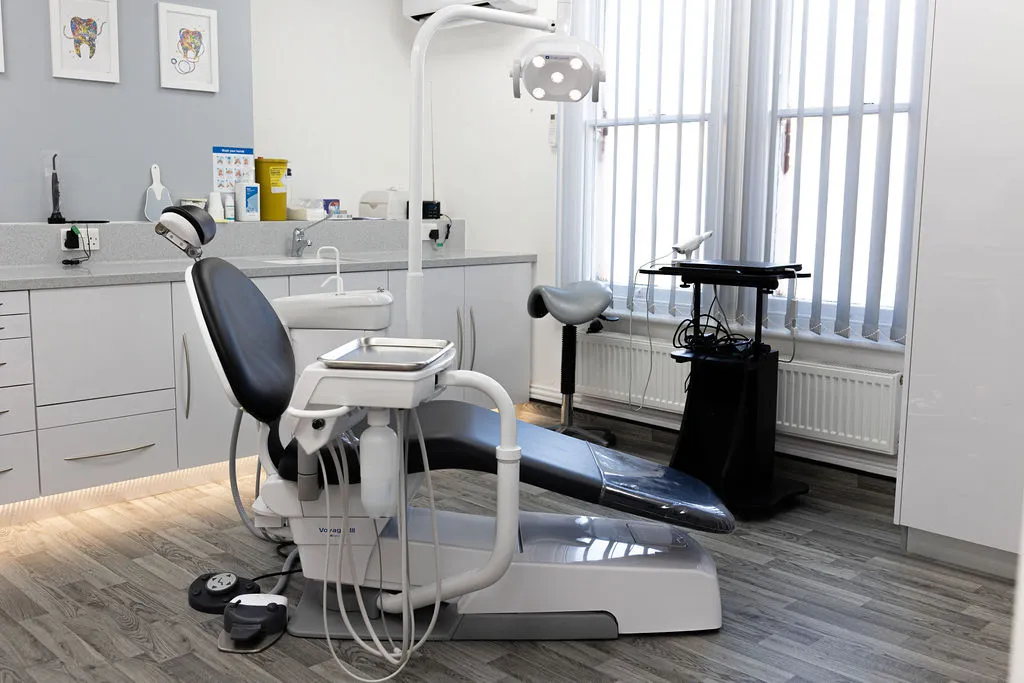
Treatment
Injections are given in a short appointment, with the effect developing over the following couple of weeks rather than immediately. A bite guard is made from a scan or impression and fitted at a second visit.
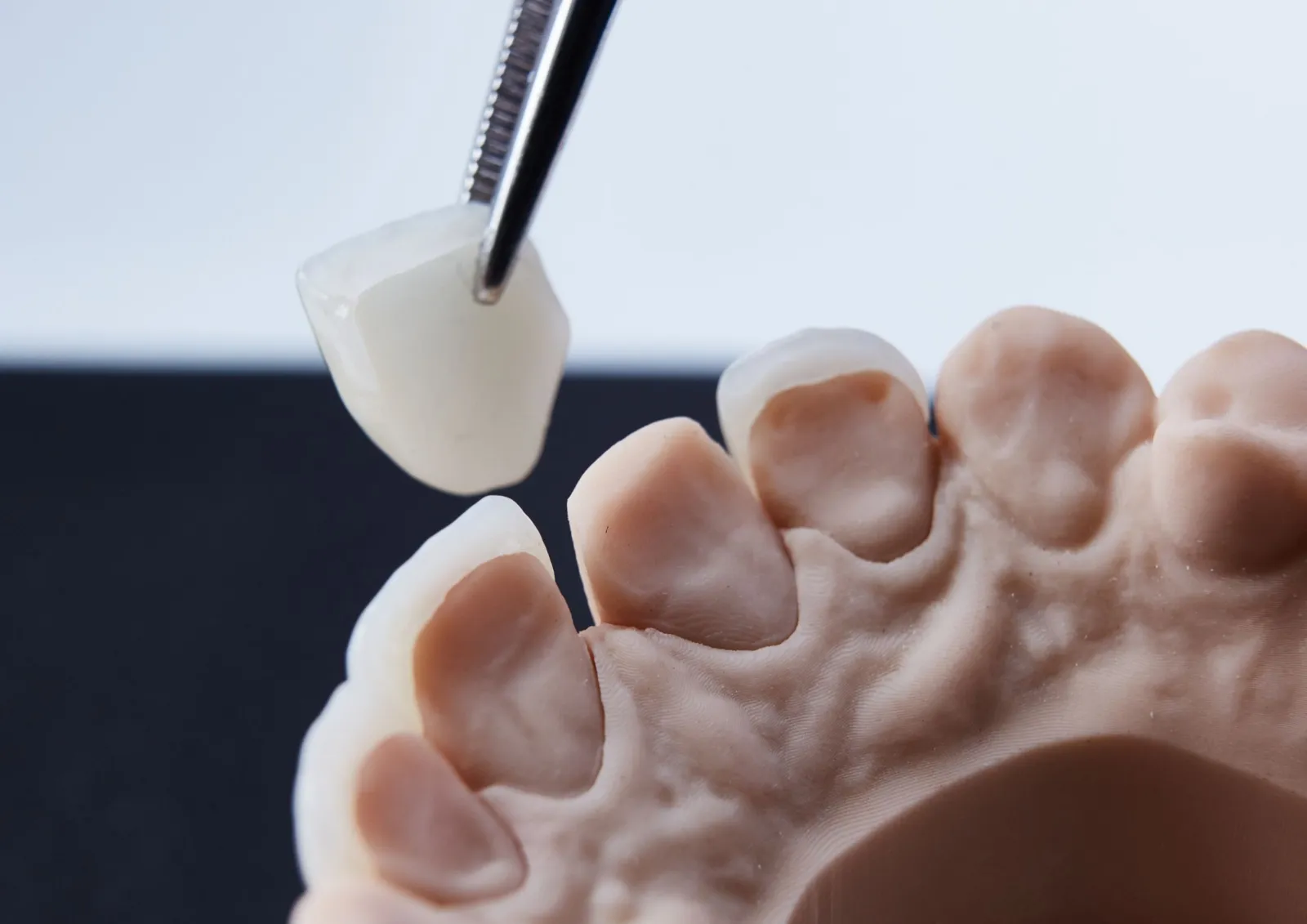
Protecting or repairing the teeth
Where grinding has already worn or chipped teeth, we talk about whether and when to rebuild them. There is usually no point restoring worn teeth until the grinding itself is under control.

Review
We see you once the treatment has had time to work, to assess whether the symptoms have eased and whether anything needs adjusting. TMJ problems are managed over time rather than resolved in one appointment.
How much does TMJ treatment cost in Newark?
Injections to relax the chewing muscles are from £290 at London Road Dental Practice. Bite guards and occlusal analysis are priced separately, and your own plan is confirmed at the consultation once we know what is actually causing the problem.
- Jaw clenching injections from £290
- Bite guards and splints priced separately
- Consultation deposit £20, refunded on attendance
- Practice plan members get 15% off treatments

Injections, or a bite guard?
These are the two main approaches and they do different things. Plenty of people end up using both, and some only need one.
| Injections | Bite guard or splint | |
|---|---|---|
| What it does | Reduces the force of clenching | Protects teeth from the force |
| Addresses the muscle | Yes | No |
| Protects the teeth | Indirectly, by reducing force | Directly, as a physical barrier |
| Helps jaw ache | Usually | Sometimes |
| Helps headaches | Often | Sometimes |
| Worn or given | Given periodically | Worn at night |
| Cost | From £290 | Priced separately |
| Often used | Where muscle tension is the problem | Where protecting teeth is the priority |
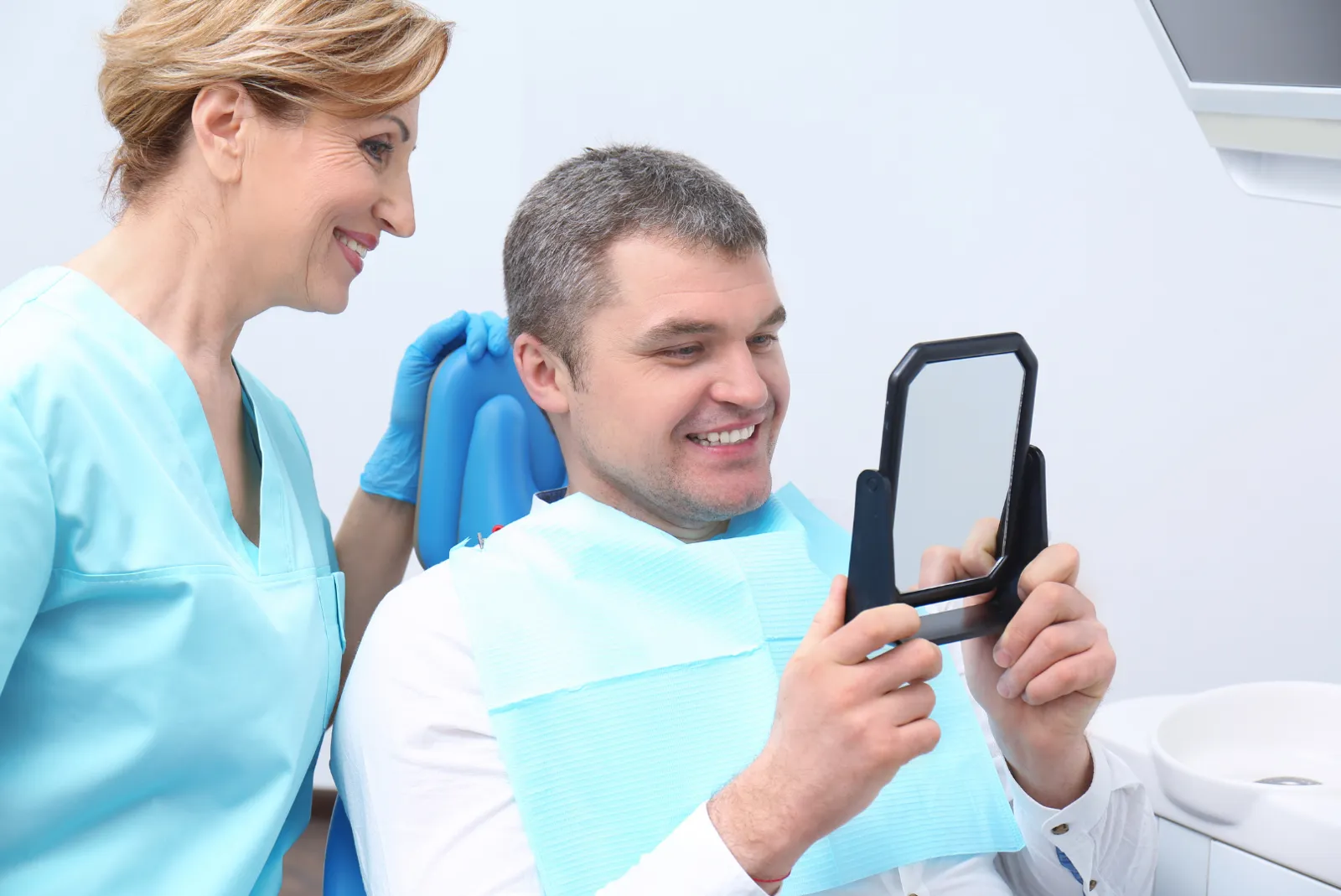
What grinding does to your teeth over twenty years
This is the part people underestimate, because it happens too slowly to notice and there is no pain to prompt action.
Enamel does not grow back. Teeth worn down by years of grinding stay worn, and the repair is considerably more expensive than the prevention. Most people only discover the extent of it when a dentist shows them photographs of their own teeth.
- Front teeth shorten. The edges flatten and the teeth look stubby. It ages a smile more than colour does and is frequently blamed on something else.
- Back teeth flatten. The cusps wear away, chewing becomes less efficient and the bite gradually collapses in height.
- Fillings and crowns fracture. Dental work takes the force before the tooth does. Repeated breakages in somebody who looks after their teeth is a strong clue.
- Teeth crack. Cracked teeth frequently lead to root canal treatment, crowns or extraction, and grinding is one of the main causes.
- Gums recede. The force transmits to the roots and can contribute to recession and sensitivity at the gum line.
If grinding has already done damage, that is worth addressing too. Composite bonding rebuilds worn edges and crowns restore teeth that have broken down, though there is rarely any point doing either until the grinding itself is under control.

What our TMJ patients in Newark say
This is the treatment people are most surprised by, usually because they had stopped expecting the headaches to go.

TMJ and jaw clenching questions we get asked in Newark
TMJ stands for the temporomandibular joint, the hinge connecting your jaw to your skull. The term is commonly used to describe pain and dysfunction involving that joint and the muscles around it, which includes jaw ache, clicking, restricted opening and tension headaches.
Most grinding happens during sleep, so the usual clues are indirect: waking with a tight jaw or a headache, a partner mentioning the noise, or a dentist noticing wear on your teeth. The wear is often the first hard evidence.
The effect develops over the following couple of weeks rather than immediately, so this is a treatment to judge at the review appointment rather than the next morning.
Months rather than permanently, varying by person and by how strong the muscles are. People who find it helpful generally have it repeated periodically. Your clinician will give you a realistic expectation.
For some people with very strong chewing muscles, reducing the muscle bulk over time can slightly soften the angle of the jaw. Whether that is desirable or not varies, and it is something to discuss at your consultation.
Yes. The aim is to reduce excessive force rather than to stop the muscles working. Normal eating is unaffected for the large majority of people.
Sometimes, and sometimes a guard is all that is needed. A soft bite guard protects your teeth physically while injections reduce the force producing the damage. Which you need depends on your symptoms and what your teeth look like.
Frequently it is a significant factor, and it is worth naming rather than ignoring. Treatment can ease the symptoms and protect your teeth, but if the clenching is driven by stress then addressing that matters too. We will talk about it straightforwardly.
Yes. London Road Dental Practice is on London Road in Newark-on-Trent, around ten minutes from Balderton and fifteen from Southwell, with free parking on site. We treat patients from across the area including Fernwood, Coddington, Collingham, Farndon, Winthorpe and Sutton-on-Trent.
Get the jaw, the bite and the teeth looked at together
If you wake with headaches or a tight jaw, or a dentist has mentioned wear on your teeth, the consultation will tell you what is actually causing it and what the options are.
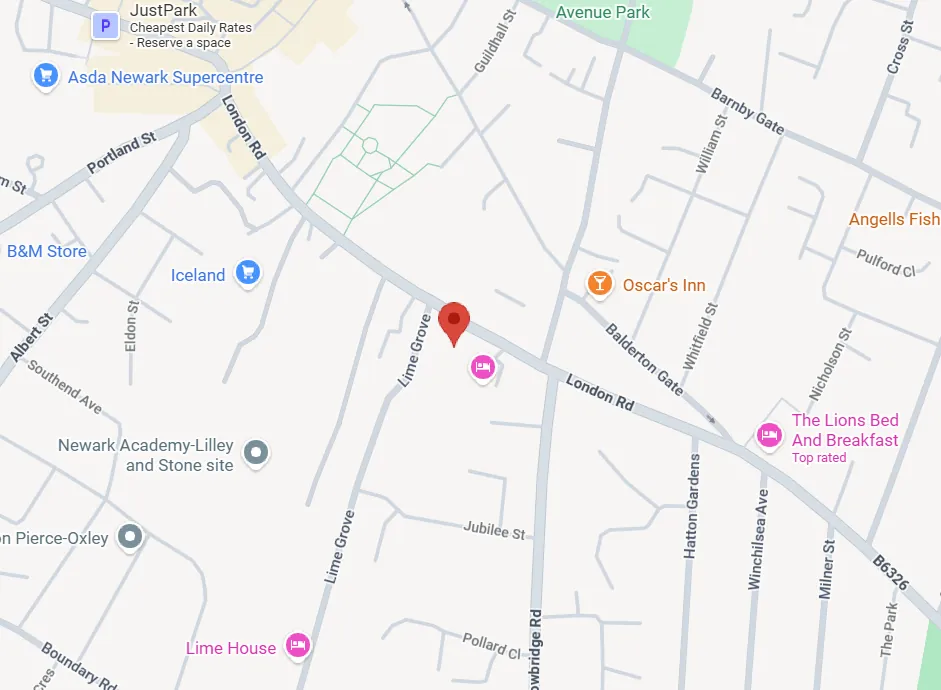
Find us on London Road.
36 London Road
Newark-on-Trent
Nottinghamshire NG24 1TF 01636 702241
Five minutes' walk from the town centre, close to the A1 and A46. Free on-site parking, plus pay and display at Deane Court Hotel (50p an hour, coins). Newark Castle and Newark Northgate stations are both under ten minutes away. Wheelchair accessible with downstairs surgeries and WC.